Essential Idea for Learning Canine Training in the house
Grasping canine training in the house needs a calculated strategy. Perseverance, positivity, and consistency are crucial elements. Developing a routine aids produce a complacency for the dog. Using positive support constructs depend on and interaction. Several owners battle with keeping passion and engagement during training sessions. Recognizing just how to navigate these difficulties can result in more effective training end results. What approaches may be most beneficial in getting rid of these typical barriers?
Develop a Consistent Routine
When educating a pet dog, developing a regular routine is essential for promoting etiquette and a solid bond in between the proprietor and pet dog. An organized routine provides canines with a sense of protection, helping them recognize what to expect each day. Regular feeding times, workout, and training sessions produce a predictable atmosphere, which can reduce anxiety and advertise a feeling of security.
Owners ought to aim to integrate everyday tasks at the very same time to reinforce this routine. Morning strolls, play, and training exercises ought to happen consistently. Furthermore, incorporating commands and hints during these tasks can further boost learning.
Use Positive Reinforcement
A regular routine prepares for efficient training, yet the techniques used throughout training sessions greatly affect a pet's knowing experience. Positive reinforcement arises as a powerful tool in shaping preferred behaviors. This strategy entails awarding a dog for showing details actions, effectively encouraging them to duplicate those habits (Dog Training Near Me). Rewards can include treats, appreciation, or playtime, developing a positive association with the activity executed
Utilizing favorable support fosters a bond of count on in between the canine and fitness instructor, enhancing communication and understanding. It is important to supply benefits promptly after the preferred behavior to strengthen the link. Uniformity in using this technique guarantees the dog can clearly link the behavior with the reward. Preventing penalty or adverse reinforcement can lead to a more certain and passionate learner. By concentrating on favorable support, trainers can produce a supportive atmosphere where dogs thrive and find out effectively.
Keep Training Sessions Short and Enjoyable
Effective canine training calls for maintaining sessions short and appealing to maintain the canine's interest and interest. Normally, sessions must last no longer than 10 to 15 minutes, as dogs have actually restricted attention periods. By concentrating on short intervals, instructors can stop stress for both the pet dog and the handler, enhancing the finding out experience.
Integrating play and favorable interactions right into training can make sessions satisfying. Making use of playthings, deals with, or appreciation as benefits not only motivates the pet however also reinforces the bond between the pet and trainer. Altering activities often can likewise help maintain the pet's passion alive, as diverse tasks boost psychological involvement.
Finishing each session on a favorable note, such as commemorating a tiny triumph, guarantees the pet links training with enjoyable. Ultimately, keeping training sessions brief and delightful advertises reliable knowing and reinforces the overall training process.
Set Realistic Goals
Setting realistic goals is necessary for successful dog training. Instructors ought to start by examining their canine's existing skills and behavioral tendencies, permitting them to develop possible objectives. For example, instead of intending for intricate commands, starting with standard signs like "rest" or "stay" can cultivate a feeling of accomplishment.
In addition, breaking down bigger objectives right into smaller sized, manageable steps helps keep motivation for both the trainer and the dog. This method also permits changes along the road, making sure that challenges do not end up being overwhelming.
In addition, it is very important to identify that each pet learns at its own speed; persistence is essential. Maintaining assumptions based aids protect against aggravation and motivates consistent progress. Dog Training Near Me. To wrap up, establishing sensible objectives not just enhances the training experience however additionally enhances the bond between the fitness instructor and the canine, bring about a much more efficient and harmonious training trip
Socialize Your Pet
Achieving sensible training navigate to this site goals prepares for a well-shaped pet, but socialization plays a substantial role in a canine's development. Interacting socially a canine involves exposing it to different settings, individuals, and various other animals, which aids to develop self-confidence and minimize anxiety. Early socializing, ideally between three and fourteen weeks of age, is necessary for forming a dog's habits and personality. This exposure enables pet dogs to learn appropriate communications and establish important social abilities.
Proprietors need to present their pets to different circumstances slowly, ensuring each experience is gratifying and positive. Going to parks, going to pup classes, or organizing playdates with various other pets can assist in these interactions. Additionally, learning and observing various other pet dogs from their actions can further enhance a dog's social abilities. Inevitably, positive and regular socialization fosters a well-adjusted pet dog that comfortably navigates different social settings throughout its life.
Hold Your Horses and Consistent
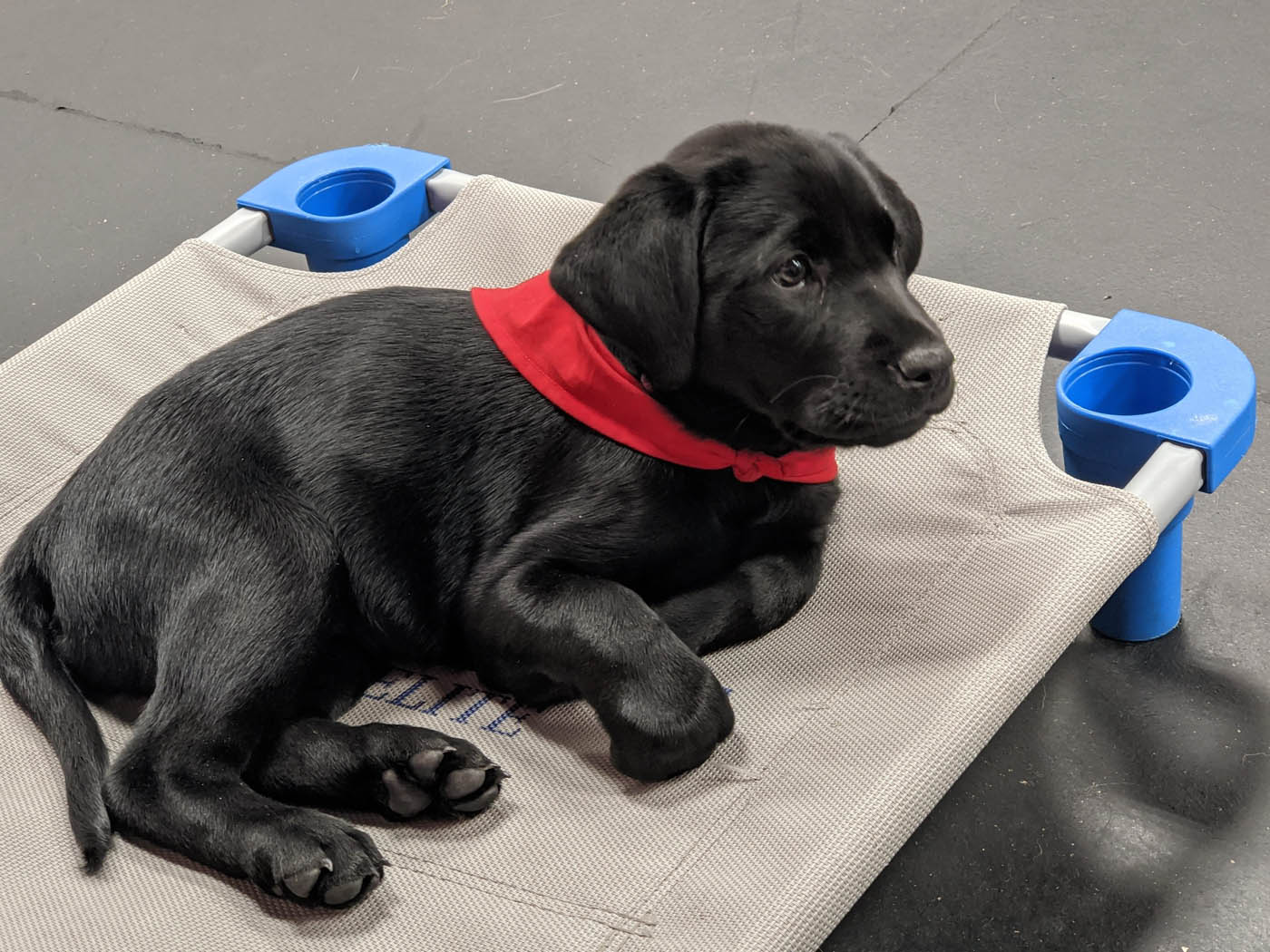
Perseverance is essential. Regular technique reinforces commands and habits, ensuring that the canine maintains what has been discovered. It is necessary to commemorate tiny success, as they motivate both the pet dog and the owner to maintain advancing. Recognizing problems as part of the journey as opposed to failings can help maintain motivation. Eventually, a client and relentless strategy not just builds a stronger bond in between dog and proprietor but likewise lays the foundation for efficient training and long-term obedience.
Include Training Into Daily Life
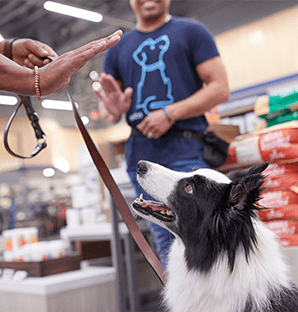
Integrating training right into day-to-day life can boost a dog's knowing experience. Regular activities, such as feeding or strolling, present useful opportunities for favorable reinforcement. By perfectly mixing training with everyday activities, owners can cultivate much better habits in their pet dogs with time.
Daily Regimen Integration
Exactly how can pet owners effortlessly blend training right into their everyday routines? By incorporating training sessions into daily tasks, proprietors can enhance their dog's learning experience. Easy commands can be exercised throughout walks, such as "sit" before crossing streets or "heel" while maneuvering with parks. Feeding time presents one more opportunity; owners can include commands like "wait" or "leave it" prior to offering the food dish. Furthermore, play can serve as a training school for commands like "fetch" or "drop it." Consistency is essential; by installing training into routine activities, canines discover that commands are relevant in different contexts. This strategy not only strengthens learning but likewise enhances the bond in between the pet and its owner.
Positive Support Opportunities
Educating opportunities abound throughout a pet dog's daily life, particularly when incorporated with positive reinforcement techniques. Everyday tasks offer moments for training, such as during walks, feeding times, or play sessions. As an example, compensating a pet for resting prior to receiving food enhances obedience while cultivating a positive organization with commands. Likewise, commending a pet dog for smoothly greeting guests reinforces preferable behavior. Incorporating training into playtime, like utilizing fetch to practice commands, can likewise work. Owners ought to stay consistent, making use of deals with, appreciation, or toys as benefits to encourage etiquette. By integrating training perfectly right into daily regimens, owners can grow a well-behaved canine while reinforcing their bond, making the training process satisfying for both events.
Regularly Asked Concerns
What Age Is Finest to Start Training My Pet Dog?
Identifying the very best age to dig this begin training a pet varies; nevertheless, professionals frequently advise beginning around 8 weeks. Early training fosters socializing, develops routines, and Clicking Here assists shape favorable habits, promoting a well-adjusted, loyal friend.
How Can I Stop My Pet From Barking Excessively?
To decrease too much barking, one reliable strategy involves recognizing triggers, providing consistent training commands, and satisfying silent habits. Furthermore, normal workout and mental excitement can aid decrease unneeded barking by dealing with dullness or anxiety.
What Should I Do if My Canine Ends Up Being Aggressive?
When a pet presents aggressiveness, it is necessary to continue to be calm and stay clear of fight. Identifying triggers, looking for expert assistance, and employing favorable support techniques can successfully handle and lower hostile behavior in pets.
Just how Do I Choose the Right Training Tools?
Selecting the appropriate training devices involves evaluating the pet dog's training, dimension, and personality objectives. Study different options, speak with experts, and prioritize humane, efficient devices that promote favorable support for an effective training experience.
Can I Train My Canine Without Professional Aid?
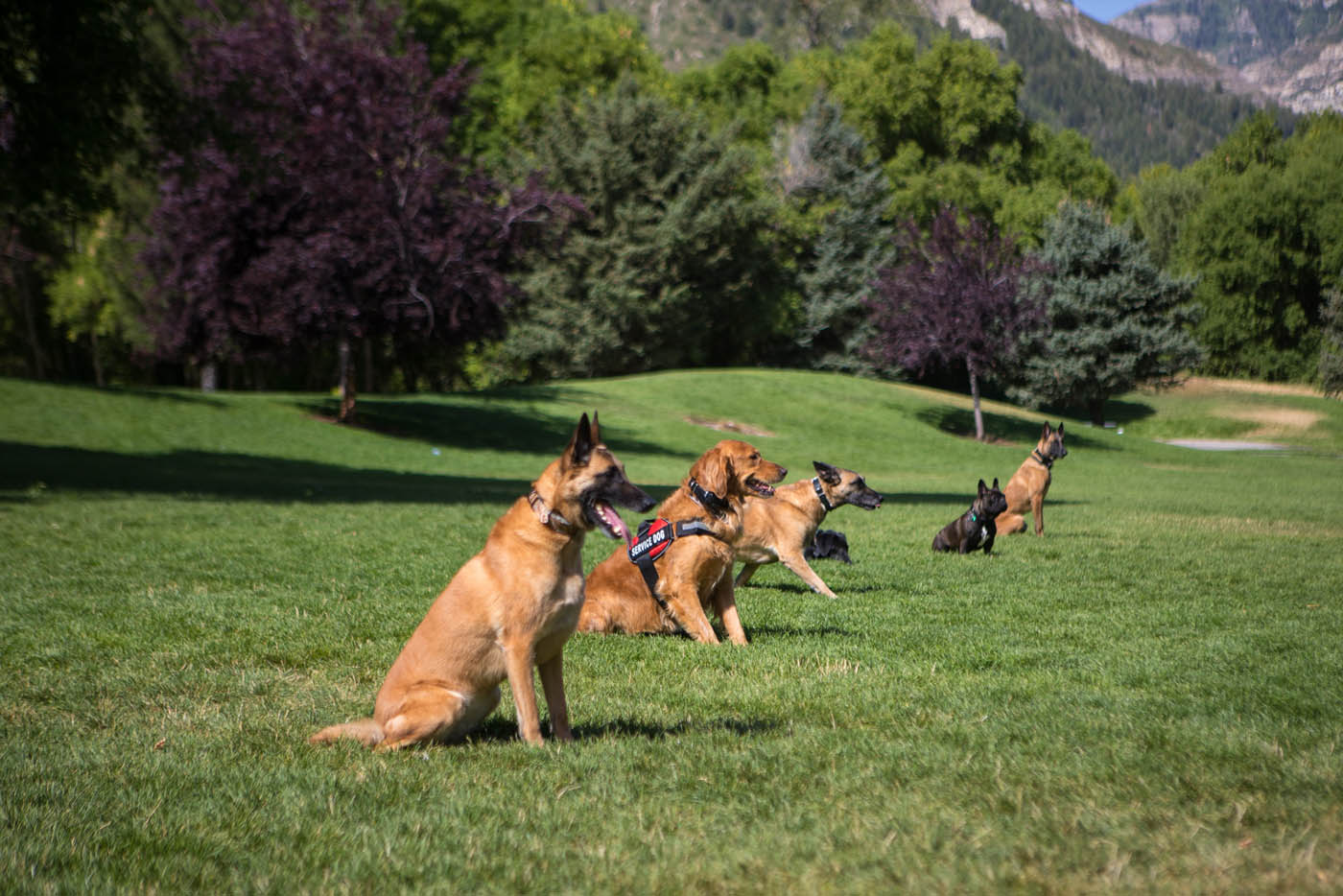
Educating a dog without specialist help is possible for many proprietors. With dedication, perseverance, and constant practice, people can successfully instruct fundamental commands and reinforce favorable behaviors, fostering a strong bond between them and their pet dog.
A constant routine lays the groundwork for reliable training, yet the approaches used during training sessions considerably affect a pet dog's knowing experience. Effective canine training calls for maintaining sessions brief and appealing to maintain the canine's focus and excitement. Attaining realistic training goals lays the foundation for a well-rounded canine, but socializing plays a significant function in a canine's growth. Additionally, finding out and observing other pets from their habits can further boost a pet dog's social skills. Picking the appropriate training tools entails assessing the canine's character, dimension, and training goals.